
Summary
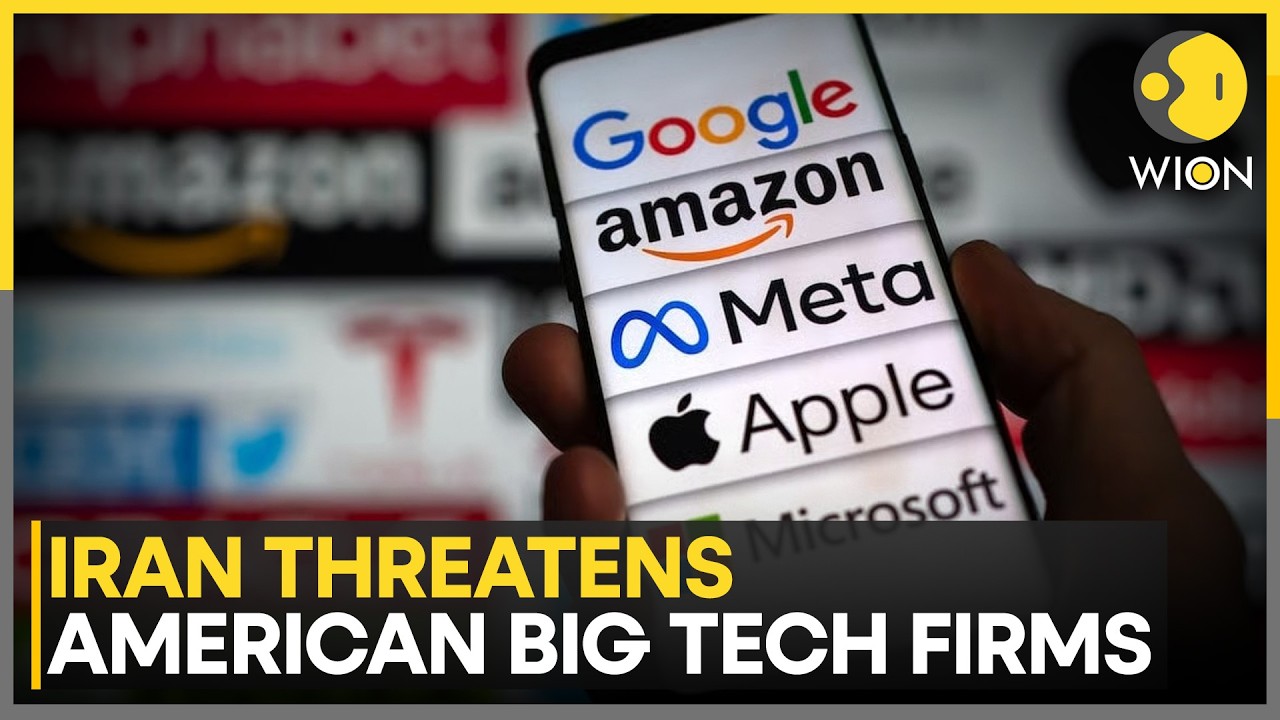
On March 31, 2026, Iran's Islamic Revolutionary Guard Corps (IRGC) announced plans to attack major US tech firms, including **Apple**, **Google**, and **Microsoft**, as retaliation for perceived US aggression. This threat follows a series of Iranian drone strikes on American infrastructure in the region, marking a significant escalation in the ongoing conflict between Iran and the US. The IRGC's warning highlights the intertwining of military and commercial interests, as tech companies are accused of supporting US military operations. With billions invested in the Gulf region, the stakes for these companies have never been higher.
Key Takeaways
- Iran's IRGC has threatened to attack major US tech firms as retaliation for US military actions.
- The conflict has escalated following the assassination of Supreme Leader Ali Khamenei.
- US tech companies have significant investments in the Gulf region, raising the stakes of these threats.
- Cybersecurity risks are heightened as civilian infrastructure becomes a target in geopolitical conflicts.
- The situation reflects the complex relationship between technology, military operations, and international relations.
Balanced Perspective
The IRGC's threat is a response to ongoing military actions by the US and Israel, particularly following the assassination of **Supreme Leader Ali Khamenei**. The situation remains fluid, with the US military actively engaged in countermeasures against Iranian drone networks. While the IRGC's claims about US tech firms facilitating military operations are serious, the actual impact of these threats on the companies remains uncertain as they have not publicly responded to the IRGC's warnings.
Optimistic View
Some analysts view this as an opportunity for **US tech firms** to strengthen their cybersecurity measures and collaborate with the government to mitigate risks. By enhancing their defenses, companies like **Microsoft** and **Google** could emerge as leaders in cybersecurity innovation. Additionally, this situation may prompt a reevaluation of US foreign policy, potentially leading to diplomatic resolutions that could stabilize the region and protect commercial interests.
Critical View
The potential for cyberattacks on US tech firms poses significant risks, not only to the companies involved but also to global cybersecurity. If the IRGC follows through on its threats, it could lead to widespread disruptions in services, impacting millions of users and businesses. Furthermore, this escalation could provoke a more aggressive military response from the US, leading to a cycle of retaliation that exacerbates the conflict and threatens stability in the region.
Source
Originally reported by WIRED